
Electroencephalogram (EEG)
A routine EEG is a cost-effective way to quickly assess and aid in the diagnosis of a variety of neurological problems including seizures, stroke, brain tumors, encephalopathy, head injury, encephalitis and organic causes of psychiatric symptoms.
Learn more
What is electroencephalogram (EEG)?
A routine EEG (electroencephalogram) is a painless test that measures the electrical activity of your brain. EEGs include video of the patient and are performed by registered EEG technologists.
How a electroencephalogram (EEG) helps
An EEG is a cost-effective way to quickly assess and assist in diagnosing a variety of neurological problems including seizures, stroke, brain tumors, head injury, encephalitis, encephalopathy and organic causes of psychiatric symptoms.
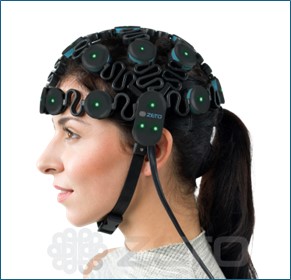
First in the Twin Cities to offer Zeto ONE EEG technology
Early 2025, Allina Health Brain and Spine Institute introduced quick, easy and accurate EEG access at rural and regional healthcare systems using Zeto® ONE technology. This new and groundbreaking technology eliminates the need for patients who are admitted at the hospital to be transported to large metro hospitals for EEG testing; patients can stay close to home while receiving the best care possible. Zeto ONE yields AI-enabled, clinical-grade EEG rapid seizure detection reads within minutes, which allows your doctor to know how to manage your condition without having to transport you to a metro facility.
Learn more about Zeto One at Allina Health.
What to expect from a routine EEG
Traditional EEG testing typically takes place in a large medical center and can occur both while admitted at the hospital or in the outpatient setting. At Allina Health, conventional EEG services are available at Abbott Northwestern, United and Mercy hospitals; outpatient EEG testing is available only at Abbott Northwestern.
For this EEG testing, you will relax on a bed. The technologist will measure your head, part your hair and mark your scalp with a wax pencil. Then, a gritty lotion will be applied. Electrodes are placed on the surface of your scalp. The room may be darkened during the recording. Your brain’s activity is recorded and saved to a computer while you rest with your eyes closed. You will not feel anything during the recording. The test may include breathing deeply and quickly, looking at a bright, flashing light, opening and closing your eyes, and counting or answering questions. The technologist will remain in the room with you during the test.
A routine EEG is a 30-minute recording, but special requests for recording up to two hours may be accommodated. Outpatient appointments will last approximately one hour. Continue to take any medications prescribed by your doctor, unless instructed otherwise. Bring a list of your current medications.
After the test, you may proceed with your normal daily activities. A neurologist will review and interpret your EEG recording. The results will be sent to your referring physician.
Abbott Northwestern Hospital’s EEG Lab has been accredited by the American Board of Registration for EEG and Evoked Potential Technologists (ABRET) since 2008.